


Six signs the Kagame system is cracking
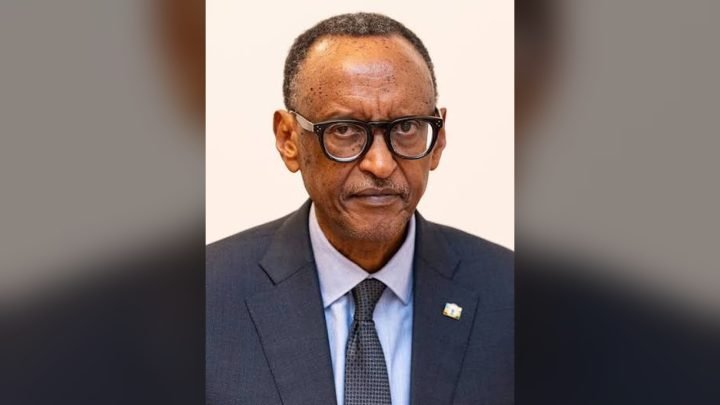
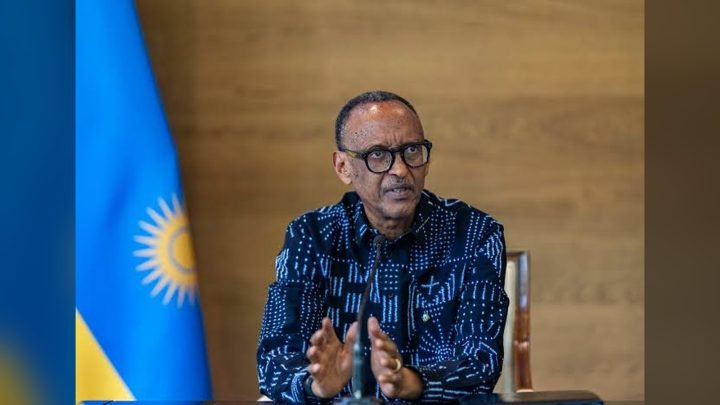
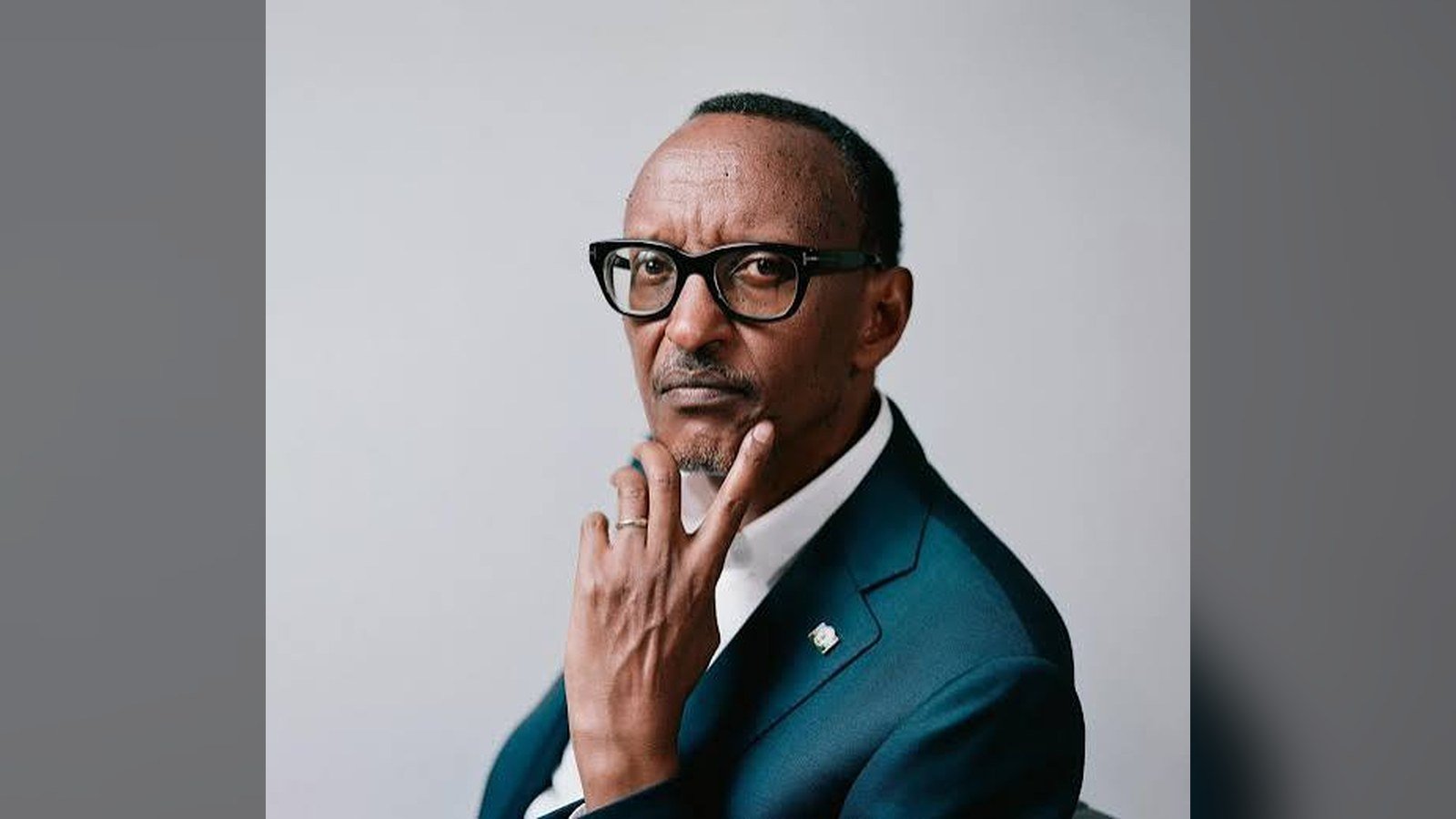
For twenty years, Paul Kagame sold the world the image of an untouchable strongman: courted by the great capitals, splashed across the shirts of Europe's biggest football clubs. In 2026, the façade is crumbling. US sanctions are piling up, partners are walking away, the sporting showcases are going dark and Kigali has been forced into admissions it spent years denying. The system built on aggression against the DRC is starting to pay the price. Radar 243 lays out the six telltale signs, with dates and documents to back each one.

1. Washington takes aim at the Rwandan army itself
The first blow landed on February 20, 2025. The US Treasury sanctioned James Kabarebe, the Rwandan army's former chief of staff and then minister of state for regional integration. Washington singled him out as a linchpin of Rwanda's support for the M23 and of the networks smuggling Congo's minerals. Kabarebe is no bit player: he is one of the architects of every war Kigali has waged in the DRC since 1996.
A year later, on March 2, 2026, Washington raised the stakes. This time the target was not a handful of individuals but the Rwanda Defence Force (RDF) as an institution, along with four top brass: Vincent Nyakarundi, Ruki Karusisi, Mubarakh Muganga and Stanislas Gashugi. The move came after the M23/RDF captured Uvira on December 10, 2025, just six days after the Washington accords were signed. On March 6, the State Department followed up with visa restrictions on several senior Rwandan officials.
The message could not be clearer: Washington no longer buys Kigali's story. The Rwandan army is no longer treated as a peacekeeping partner but as a party to the war.
Then came a report from Africa Intelligence that set tongues wagging: Paul Kagame had allegedly been refused a diplomatic visa in late April 2026 for an event at Harvard. It has never been officially confirmed, and the State Department had said in March that the Rwandan president was not among those targeted. True or not, the fact that the story is doing the rounds speaks volumes about how far his stock has fallen in Washington.
2. The money machine takes a hit
On October 28, 2026, the screws tightened again. The Treasury sanctioned Rwanda's Ministry of Defence and the Zigama Credit and Savings Society, the army's in-house financial arm. Treasury Secretary Scott Bessent left no room for doubt: Rwanda must stop backing the M23 and pull its troops out.
This is a shift in kind. Washington is no longer just going after officers in the field, but after the institutions that finance, equip and run the war effort. Zigama is no ordinary bank: it is the army's piggy bank, the conduit for Rwandan soldiers' pay, savings and investments. Go after Zigama and you go after the wallets of the men waging war on Congo.
3. Congo's stolen gold in the crosshairs
On June 25, 2026, the Treasury sanctioned Gasabo Gold Refinery, based in Rwanda, along with its chairman Jean Malic Kalima and its managing director Bosco Kayobotsi. According to US officials, at least 60 kg of gold mined in M23/RDF-held areas of eastern DRC passed through its doors. The European Union had already sanctioned the refinery in 2025.
This war has an economy, and that economy runs on plunder. UN experts have documented the M23's grip on the coltan mines of Rubaya, the convoys heading for the border, and the laundering of Congolese minerals into Rwandan output to give them a clean origin. Rwanda exports what it does not produce. By going after the refineries and the money trail, the sanctions hit exactly what makes this war pay.
4. Rwanda's soft power is unravelling
Kigali has poured hundreds of millions into sport and glitzy events to polish its image. One by one, the showcases are cracking.
- Basketball. On March 12, 2026, APR Basketball Club, bankrolled by the Rwandan army, pulled out of the Basketball Africa League, co-run by the NBA and FIBA. The Rwandan federation gave no reason. In November 2026, the NBA confirmed it: the withdrawal was down to US sanctions on the RDF, and the club will stay out for as long as they remain in force. APR, third in the 2025 season, was replaced by the RSSB Tigers.
- Football. In November 2025, Arsenal announced it would end its "Visit Rwanda" deal at the close of the 2025-26 season, after eight years and a fan campaign dubbed "Gunners for Peace". Officially, the parting was mutual. In February 2025, Kinshasa had urged Arsenal, PSG and Bayern to tear up these "blood-stained" contracts.
- Bayern Munich. On February 23, 2025, at the Allianz Arena, during a 4-0 win over Eintracht Frankfurt, ultras from Munich's Red Pride unfurled a banner reading: "Visit Rwanda: whoever looks on with indifference betrays the values of FC Bayern!" Six months later, in August 2025, Bayern caved: the commercial "Visit Rwanda" branding was dropped and the deal scaled back to a youth football academy in Kigali running until 2028. The fans won: "Visit Rwanda" is off the club's shop window.
- Events. On June 2, 2026, the GSMA postponed Mobile World Congress Kigali, due to run June 16-18, less than two weeks before opening day and without explanation. That same month, the International Astronautical Federation also postponed its global conference on space and climate change, scheduled for Kigali on June 2-4, 2026.
You can buy shirt sponsorships and pitch-side hoardings. You can't buy the world's trust forever. When clubs, leagues and organisers start heading for the exit, it means the branding can no longer cover up reality.
5. A trade and diplomatic setback
On November 2, 2026, US Trade Representative Jamieson Greer announced that Rwanda would be kicked out of AGOA, the programme granting duty-free access to the US market, from January 1, 2027. The immediate economic hit is small (around 4 million dollars of AGOA exports in 2023), but the symbolism is heavy: Washington is stripping Rwanda of a perk reserved for countries in good standing.
On the diplomatic front, the 20th Francophonie Summit (Phnom Penh, November 15-16, 2026) ended without consensus on a successor to Louise Mushikiwabo, who was gunning for a third term. Kigali had vowed to "go all the way". In the end: no third term, a twelve-month extension and an election pushed back to 2027. Congolese foreign minister Thérèse Kayikwamba Wagner made it plain: Mushikiwabo will be gone in twelve months. According to Kinshasa, Rwanda has pledged not to field a candidate.
Europe has gone the same way. In February 2025, after Goma fell, the European Union suspended its defence consultations with Kigali, Britain froze part of its bilateral aid and Germany put new commitments on hold. In March 2025, Kigali severed diplomatic ties with Belgium, which it blamed for lobbying for sanctions. A regime that picks fights with its oldest donors is not a regime in a position of strength. It is a regime backed into a corner.
6. With nowhere left to hide, Kigali borrows a Congolese face
On January 22, 2026, Rwanda's ambassador in Washington, Mathilde Mukantabana, acknowledged in written testimony to the House Foreign Affairs Committee that Rwanda "maintains security coordination with the AFC/M23". After years of denials, it was on the record. The people who swore there was "not a single Rwandan soldier" in Congo had been contradicted by their own ambassador.
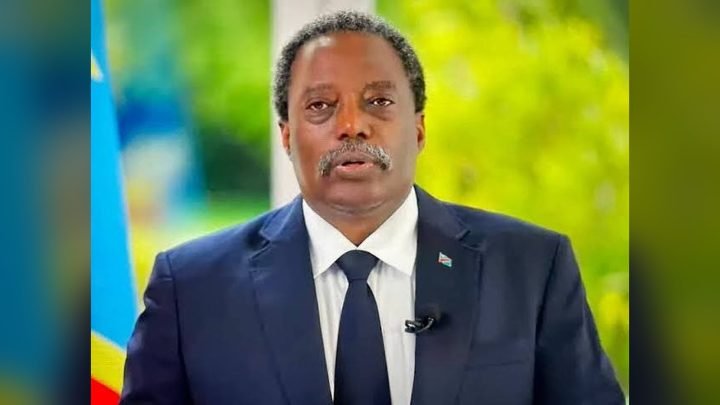
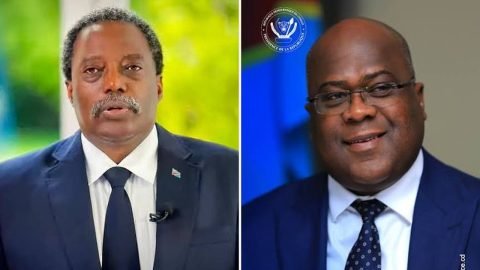
That is the backdrop against which Joseph Kabila stepped out of the shadows. After an address to the nation on October 9, 2026, he resurfaced in Goma on October 12 at the head of the M23/RDF, flanked by Corneille Nangaa, Bertrand Bisimwa and Sultani Makenga. The ploy is transparent: slap a Congolese label on Rwanda's aggression at the very moment the UN is documenting the Rwandan army's role and Washington is sanctioning it. When denial no longer works, change the shop front.
The irony: Joseph Kabila has himself been under US sanctions since April 30, 2026. Kigali picked as its Congolese face a man Washington had already blacklisted.
Why the writing is on the wall
None of these signs, on its own, will bring a regime down. But together they point in one direction: in eighteen months, Kigali has lost the battle of facts (UN reports), the battle of words (its own ambassador's admission), part of the battle for its image (Arsenal, the BAL, MWC) and part of the battle for money (Zigama, Gasabo, AGOA). The Kagame system rested on a balancing act: deny on the ground, charm abroad. That balance is broken.
The bottom line
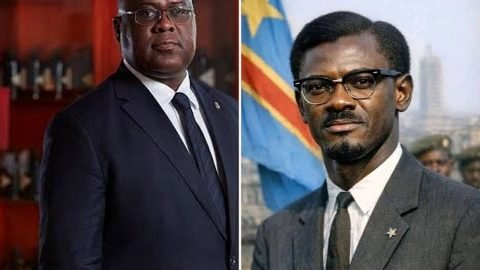
Paul Kagame's Rwanda is now under sanctions in its army, its finances and its gold trade, abandoned by some of its partners and forced to admit what it once denied. The Congolese people, standing behind President Félix Tshisekedi, have not given up the fight for their sovereignty. And for as long as the country is under attack, Congo will not be silenced.
Timeline
- Feb. 20, 2025: US sanctions James Kabarebe.
- Feb. 2025: the EU suspends defence consultations; London and Berlin freeze part of their aid.
- March 2025: Kigali cuts ties with Belgium.
- Dec. 4, 2025: Washington accords signed. Dec. 10: Uvira captured.
- Jan. 22, 2026: Kigali admits "security coordination" with the AFC/M23.
- March 2, 2026: sanctions on the RDF and four officers. March 6: visa restrictions.
- March 12, 2026: APR pulls out of the BAL.
- April 30, 2026: Joseph Kabila sanctioned.
- June 2, 2026: MWC Kigali postponed.
- June 25, 2026: Gasabo Gold Refinery sanctioned.
- Oct. 12, 2026: Kabila takes the helm of the M23/RDF in Goma.
- Oct. 28, 2026: Ministry of Defence and Zigama sanctioned.
- Nov. 2, 2026: AGOA expulsion announced (effective Jan. 1, 2027).
- Nov. 15-16, 2026: Francophonie Summit; Mushikiwabo's term extended by one year.
Sources. US Treasury (press releases of Feb. 20, 2025, and March 2, June 25 and Oct. 28, 2026); State Department (March 6, 2026); USTR (Nov. 2, 2026); Ambassador Mukantabana's statement; Eurohoops / BBC on APR and the BAL; The New Times, RSSB Tigers; Sportcal, Arsenal and Visit Rwanda; GSMA, MWC Kigali postponed; Africa Intelligence (visa report, unconfirmed); Heidelberg24, the Bayern ultras' banner; FC Bayern, August 2025 statement; IAF, GLOC 2026 Kigali conference postponed.