

Did Kabila really beat the M23 in 2013?
For years, the M23's defeat in November 2013 was hailed as Joseph Kabila's great victory. Thirteen years later, on October 12, 2026, the very same M23 commanders stood at his side in Goma as vice-presidents of his new movement. The truth is simple: in 2013, the M23 wasn't defeated. It was put on ice. And the man who claimed to have beaten it is now running it.
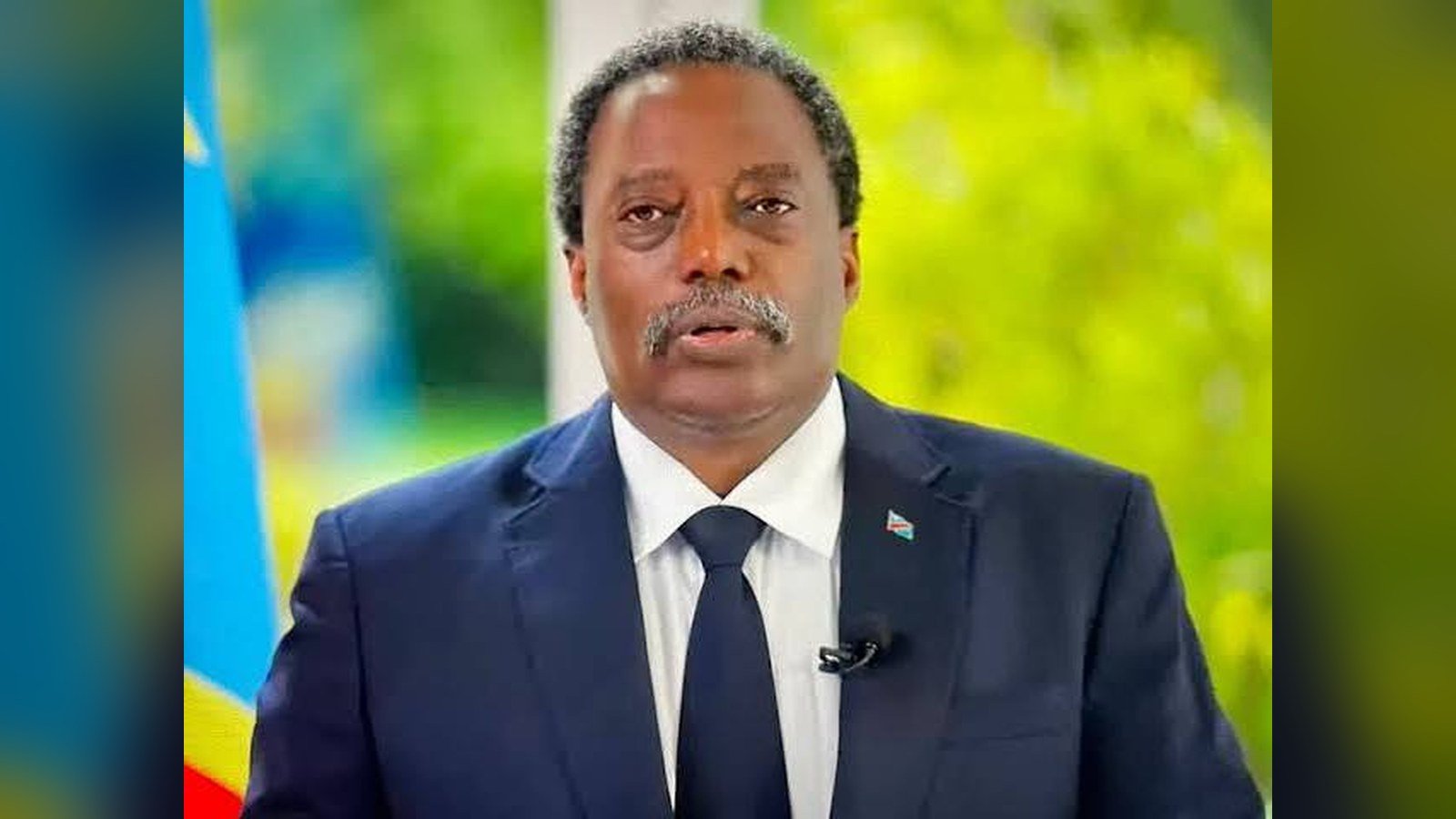

Where it began: a deal signed by Kabila
To understand 2013, you have to go back to 2009. That year, Joseph Kabila cut a deal with Kigali that turned old alliances upside down. In January 2009, he invited the Rwandan army into North Kivu for a joint operation, Umoja Wetu. Laurent Nkunda, the CNDP's leader, was arrested in Rwanda. His deputy, Bosco Ntaganda, despite being wanted by the International Criminal Court, took over and was made a general in the Congolese army.
On March 23, 2009, Kinshasa signed an agreement absorbing CNDP fighters into the FARDC, ranks, chains of command and turf intact. The M23 would later take its name from that date. Yesterday's rebels became officers in the national army without ever cutting ties with their sponsor. The rot was set in from the start, and it was Joseph Kabila who let it in.
2012: the M23 takes Goma on his watch
In April-May 2012, those former CNDP men mutinied and formed the M23. On November 20, 2012, they took Goma, a city of more than a million people. The Congolese army, infiltrated and in disarray, pulled out. Congolese watched rebels parade through the streets of North Kivu's capital while loyalist officers fled.
The UN Group of Experts then documented Rwanda's backing for the M23, reaching the very top of its military command. The United States suspended part of its military aid to Kigali; Britain, the Netherlands and Germany froze funds. It wasn't Kabila's army that first forced the M23 back. It was international pressure on Kigali.
What really happened in 2013
In March 2013, the M23 split. Bosco Ntaganda walked into the US embassy in Kigali and was handed over to the International Criminal Court, which sentenced him to thirty years in 2019. His loyalists, along with former political leader Jean-Marie Runiga, fled to Rwanda.
With the arrival of MONUSCO's Force Intervention Brigade and a finally remobilised army, the FARDC regained the upper hand that autumn. On November 5, 2013, the movement declared an end to its rebellion. Congolese celebrated. But look at who really lost.
- The leaders were never captured or tried. The vast majority of fighters and officers slipped across into Uganda, including military commander Sultani Makenga and political leader Bertrand Bisimwa. They lived there undisturbed for eight years.
- The Nairobi declarations (December 12, 2013) provided for the M23 to become a political party and for a limited amnesty, excluding those responsible for war crimes and crimes against humanity. Those exclusions were never enforced.
- Justice never followed. A year later, Human Rights Watch found most M23 leaders still living in Rwanda or Uganda, beyond the reach of any prosecution. Not a single extradition request succeeded.
In 2013, the M23 lost a battle. It was never dismantled. Its leaders, its networks, its weapons and its sponsors survived intact across the border, ready to come back. A victory that leaves the enemy alive, free and organised is no victory at all. It's an intermission.
2021-2025: the same men return
In late 2021, the M23 took up arms again. In 2022, it retook Bunagana. In January 2025, it captured Goma, then Bukavu in February, with the support of Rwandan forces documented by the UN. At its head, the same names as in 2013: Sultani Makenga, Bertrand Bisimwa. The men Kabila let walk away in 2013 came back to seize the cities he claimed to have liberated.
The UN experts' final report (July 2025) puts it bluntly: the AFC/M23 and the Rwandan army "jointly" took the strategic and mining areas of both Kivus. The 2012 story is repeating itself, only worse.
October 12, 2026: the "victor" joins the vanquished
On October 12, 2026, in Goma, at his own residence, Joseph Kabila took the helm of the M23/RDF. His vice-presidents: Corneille Nangaa, Bertrand Bisimwa and Sultani Makenga, now chief of staff of the armed wing.
The man who, as president, posed as the M23's conqueror is now leading the very people he supposedly defeated. There's only one explanation for such an about-turn: there was never a real break. In 2009, Kabila brought the CNDP into the army. In 2013, he let its leaders go into exile without prosecuting them. In 2026, he became their boss.
In the meantime, the High Military Court sentenced him to death in absentia in September 2025 for treason, and Washington sanctioned him on April 30, 2026 for backing the M23. Communications minister Patrick Muyaya summed up Kinshasa's view: Kabila had come to "make the war on the people official".
The questions nobody wants to answer
If the M23 had been beaten for good, how can its leaders now stand beside the man who announced their defeat? Why was not one of them tried between 2013 and 2019, when Joseph Kabila controlled the entire justice and security apparatus? And what kind of peace were we talking about all those years, while massacres went on in the east, the army stayed riddled with infiltrators and millions of Congolese fled their villages?
What history reveals is a mechanism. First the CNDP, then the M23, then the AFC/M23, and now the M23/RDF with Kabila at its head. The acronyms change, the alliances change, the rhetoric changes. The men stay the same, the sponsor stays the same. And it is always the Congolese people who pay in blood.
The bottom line
In 2013, Joseph Kabila didn't beat the M23. He let it walk away, intact. In 2026, he took charge of it. Peace isn't declared in a speech: it is built through justice and by securing the country's borders. The people have become their own nation's early-warning radar. And that radar never sleeps.
Timeline: from the CNDP to the M23/RDF
- Jan. 2009: joint operation Umoja Wetu; the Rwandan army enters North Kivu with Kinshasa's blessing.
- March 23, 2009: deal absorbing the CNDP into the army.
- April-May 2012: the M23 is born. Nov. 20, 2012: Goma falls.
- March 2013: Bosco Ntaganda surrenders; his loyalists flee to Rwanda.
- Nov. 5, 2013: the M23 declares an end to its rebellion; its leaders cross into Uganda.
- Dec. 12, 2013: Nairobi declarations.
- Late 2021: fighting resumes.
- Jan.-Feb. 2025: Goma and Bukavu fall.
- Sept. 2025: Kabila sentenced to death in absentia for treason.
- April 30, 2026: Kabila sanctioned by the United States.
- Oct. 12, 2026: Kabila takes the helm of the M23/RDF, with Nangaa, Bisimwa and Makenga.
Sources. HRW, Dec. 2014, still no justice for M23 crimes; IRIN / The New Humanitarian, the Nairobi declarations; UN Secretary-General's report, S/2013/773; RFI via Dakaractu, Oct. 12, 2026; ACP, Patrick Muyaya's reaction; Al Jazeera, Oct. 13, 2026.