





Ebola in the DRC: the full picture, by the numbers
Ebola is hitting eastern DRC hard: this is the worst outbreak the country has ever seen. But in much of the international media, the entire DRC has become an "Ebola zone", and only the death toll makes the headlines. That picture is wrong, and it is hurting the country. Radar 243 gives you the whole story: the cases and the deaths, but also the survivors, the provinces untouched by the virus and the areas where the curve is bending. No downplaying, no scaremongering. Just the numbers, all of them.

The numbers, straight
The outbreak was declared on May 15, 2026, in Ituri. It is caused by the Bundibugyo strain of the Ebola virus, for which there is still no licensed vaccine and no approved treatment. That's a crucial difference from earlier outbreaks caused by the Zaire strain, for which the DRC has had a vaccine and treatments for years.
As of November 26, 2026, according to government figures reported by Reuters, the DRC has recorded 12,021 confirmed cases and 5,904 deaths. It is the deadliest Ebola outbreak in the country's history, and the second-largest ever recorded worldwide after West Africa's in 2014-16. The WHO said on November 11 that close to 3,000 people had recovered; by November 17, the figure stood at around 3,150.
This is a serious outbreak. The WHO still classifies it as a public health emergency of international concern and believes the true toll is probably higher than confirmed cases alone suggest. On November 25, the WHO and Africa CDC unveiled a 1.576 billion dollar response plan running from November 2026 to May 2027.
Fact 1: Ebola is not everywhere in the DRC
The outbreak has hit 8 of the country's 26 provinces: Ituri, North Kivu, South Kivu, Tshopo, Haut-Uélé, Bas-Uélé, Sud-Ubangi and Nord-Ubangi. Within those provinces, around 68 of the country's 519 health zones are affected. In other words, more than 85 percent of the country's health zones have not recorded a single case.
Ituri remains the epicentre, accounting for more than two-thirds of confirmed cases. Kinshasa, Kasaï, Kasaï-Central, Haut-Katanga, Lualaba, Kongo-Central, Équateur and the vast majority of the country are unaffected. Kinshasa is more than 1,700 kilometres from Bunia; Lubumbashi is about 1,500.
Ebola is in the DRC. But the DRC is not Ebola. Painting the whole country as a hotspot scares off investors, visitors and partners, and punishes eighteen provinces that have nothing to do with the outbreak.
Fact 2: people survive Ebola
Almost one in two confirmed patients dies. That is devastating. But the other half survive, and more than 3,000 people have already walked out of treatment centres cured. Those 3,000 lives saved almost never make it into international coverage. Yet they are real, and they carry a vital message for families: getting treatment early saves lives.
Everyone who gets to a health centre quickly improves their own chances of survival and protects their loved ones. Hiding a sick relative at home, taking them to a traditional healer, refusing isolation: all of that puts the whole family at risk. The people walking out of treatment centres cured are living proof that a treatment centre is not a place you go to die. It's a place where you can be saved.
Fact 3: real progress, but the outbreak is not under control
There is good news. According to the WHO, transmission is slowing in some areas. Uganda has declared its outbreak over, and no new cases have been reported recently in Kenya or Nigeria. On November 24, the health ministry reported a slight day-on-day dip in new cases.
But Radar 243 isn't in the business of selling false hope. On November 11, the WHO Director-General warned against mistaking progress in some places for control of the outbreak as a whole. More than 450 new confirmed cases were still recorded in a single week, from November 16 to 23. And according to Africa CDC, nearly nine in ten patients were not on any contact list when they were diagnosed: many chains of transmission are still slipping through the net.
Under control in some areas? Yes. Over? No. Vigilance has to continue until the last case, and for forty-two days after that.
Fact 4: war is fuelling Ebola
This gets far too little attention. The epicentre of the outbreak, Ituri and North Kivu, is also a war zone. On November 23, the UN reported that fighting near a hospital in Ituri forced response teams to shelter for more than 24 hours. Since January 1, the WHO has verified more than 87 attacks on health care in the DRC. In Tshopo, a nurse was killed in November.
Every attack on a health centre, every road cut off, every village emptied by fighting sets the response back. Families fleeing the fighting carry the virus with them. Teams that can no longer move around lose track of contacts. Health workers become targets.
Those keeping the east in turmoil, the M23/RDF and the armed groups operating in the region, bear direct responsibility for the spread of the virus. War kills twice: with weapons, and with the disease it stops us from fighting.
And the rest of the world?
Cases linked to the outbreak have turned up outside Africa: an imported case in France in June, with no onward transmission, and a health worker evacuated to London in November. Yet nobody is calling Europe an "Ebola zone". Nobody is demanding that Paris or London be quarantined.
The United States has imposed measures on travellers who have been in the DRC in the previous 21 days, the maximum incubation period. So someone flying in from Bunia and someone flying in from Lubumbashi, thousands of kilometres from any hotspot, are treated exactly the same. It's the entire DRC being stigmatised, not the outbreak being targeted.
What Radar 243 is asking of the media
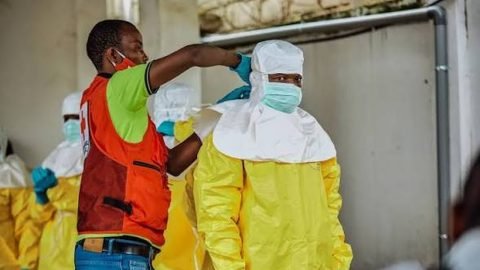
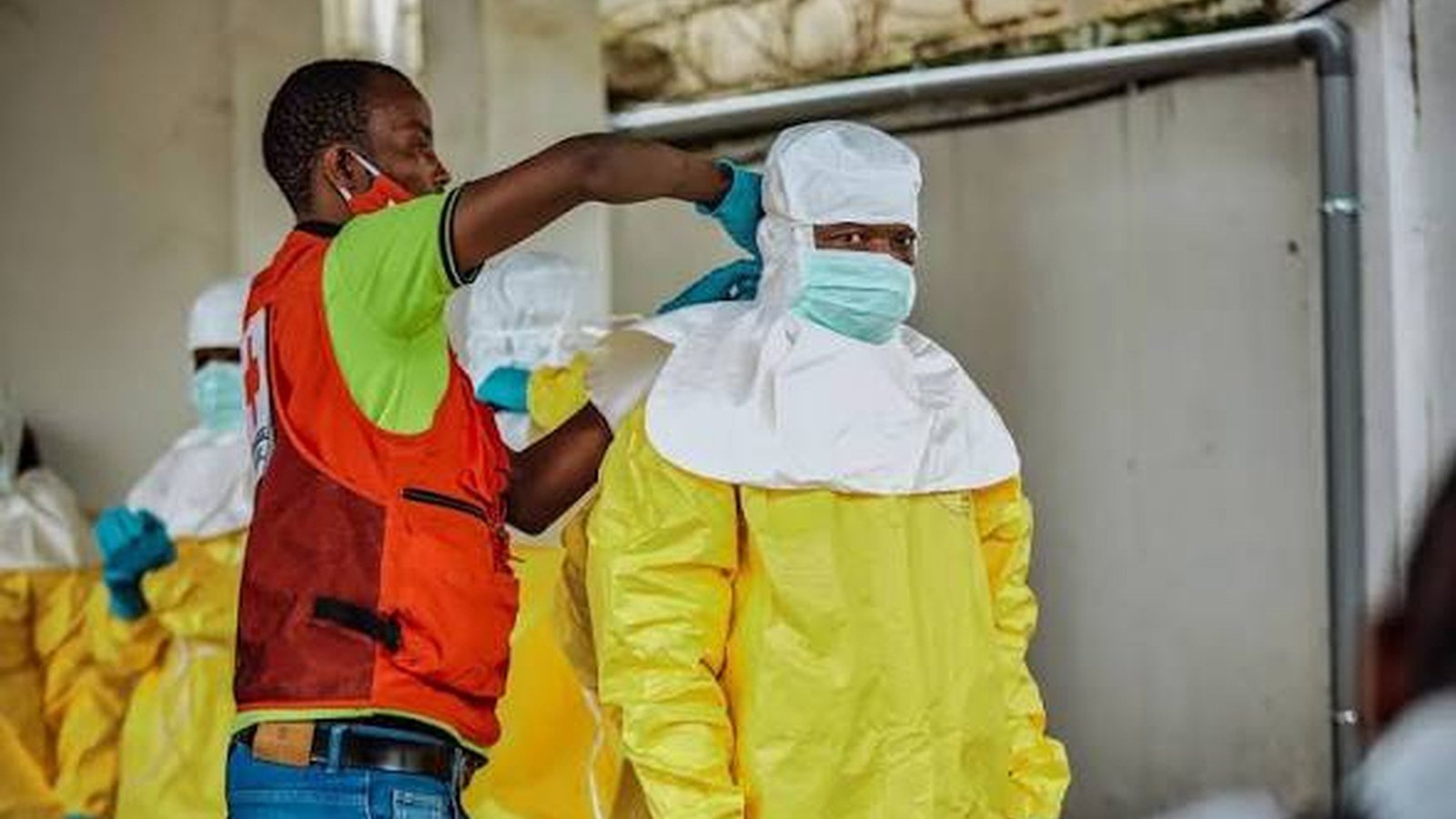
Report the deaths, yes. Every death is a tragedy, and every grieving family deserves respect. But report the survivors too. Show the provinces that are affected, and the ones that aren't. Show where transmission is ongoing, and where it's falling. Show the Congolese health workers risking their lives every day in treatment centres. Show the war that is holding back the response.
Give the full picture. When you only show part of reality, people don't see reality. They see a caricature.
The bottom line
Ebola is real and it is dangerous. Protect yourself: wash your hands, avoid all contact with sick people and with the bodies of the dead, follow health authorities' advice and seek care at the first sign of symptoms: fever, extreme fatigue, aches, vomiting, diarrhoea, bleeding. The outbreak hotline, 151, is free: if in doubt, call.
But Ebola is not the whole of the DRC. The truth is the whole picture.
Ebola by the numbers (as of November 26, 2026)
- May 15, 2026: outbreak declared in Ituri, Bundibugyo strain.
- 12,021 confirmed cases, 5,904 deaths (government data via Reuters, Nov. 26): the world's second-largest outbreak on record.
- Around 3,150 survivors (Nov. 17).
- 8 of 26 provinces affected; around 68 of 519 health zones.
- More than two-thirds of cases in Ituri.
- More than 450 new confirmed cases from November 16 to 23.
- 87 attacks on health care verified by the WHO since January.
- 1.576 billion dollars: WHO-Africa CDC response plan (Nov. 2026-May 2027).
- Uganda: outbreak over. Kenya, Nigeria: no recent new cases.
- 151: free outbreak hotline.
Sources. Boursorama / Reuters, toll as of Nov. 26, 2026; Santé Matin, cases outside contact lists, Nov. 26, 2026; Économie Matin, the WHO-Africa CDC plan, Nov. 26, 2026; Afreeque, new cases Nov. 16-23; ECDC, affected provinces; WHO, Director-General's remarks, Nov. 11, 2026; WHO, outbreak bulletin, Nov. 6, 2026; UN News, fighting near a hospital in Ituri, Nov. 23, 2026; Actualite.cd, "don't mistake progress for control".