
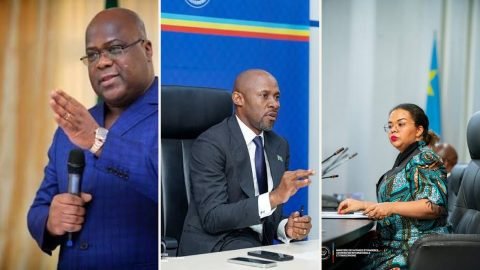
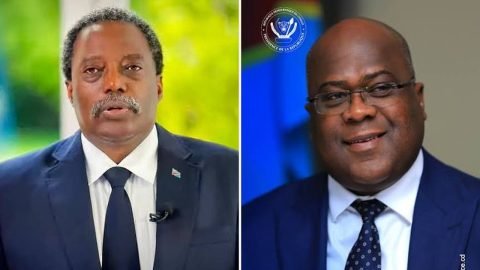

Francophonie: how the DRC won the battle of Phnom Penh
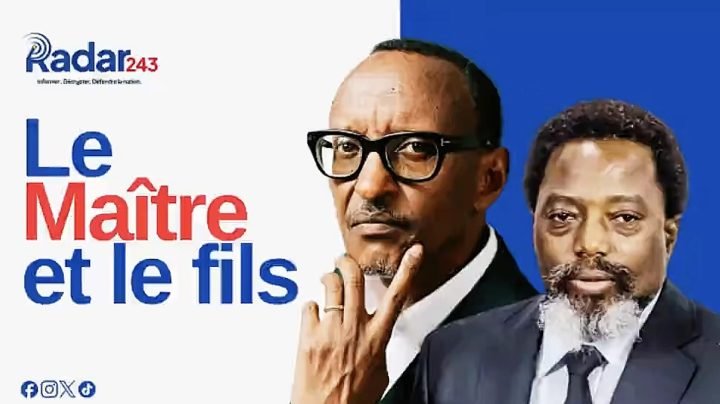
Rwanda wanted to hold on to the Francophonie. It lost. At the 20th Summit of the International Organisation of La Francophonie (OIF) in Phnom Penh, Cambodia, Louise Mushikiwabo failed to secure the third term Kigali had been pushing for since January. No new four-year mandate, just a twelve-month transition and then the exit door. Anyone calling this a Congolese defeat should take a hard look at the facts first. Radar 243 has laid them out.
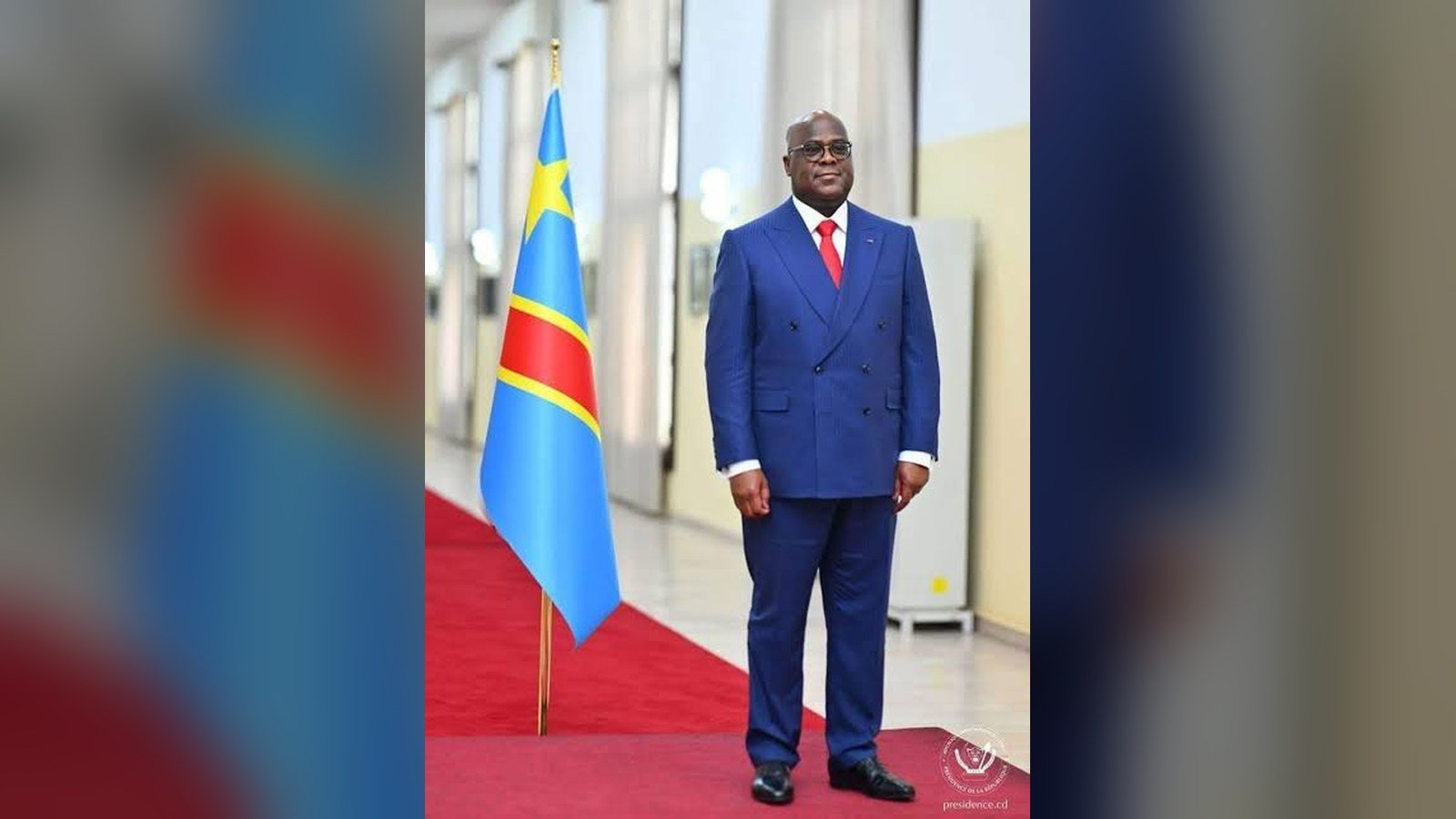

What happened in Phnom Penh
The 20th Francophonie Summit took place in Phnom Penh on November 15-16, 2026, under the banner "Reinvesting in peace for shared prosperity and lasting stability". Its job was to choose the organisation's secretary general for the next four years.
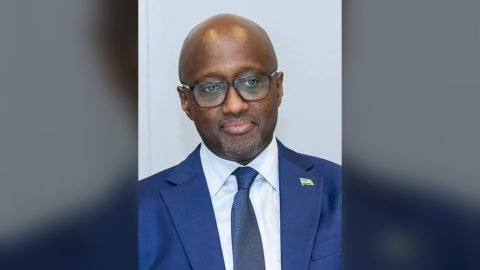
Rwanda's Louise Mushikiwabo, in office since January 2019 after being elected in Yerevan in 2018 and reappointed in Djerba in 2022, was going for a third term. Kigali had announced her candidacy as early as January 12, 2026, through its foreign minister, Olivier Nduhungirehe.
On November 16, as the summit wrapped up, the verdict came in. With no consensus, the vote was pushed back by twelve months. Louise Mushikiwabo was not reappointed. She stays on for a transitional period with a single brief, according to the Congolese government: overseeing reform of how the secretary general is chosen. When the transition ends, she steps down, and she cannot run again.
That same day, the Congolese government spokesman summed it up in one line: no new term for Rwanda at the helm of the OIF.
The DRC's fight: no aggressor at the helm of the Francophonie
Kinshasa's position was clear from day one. The DRC could not accept Rwanda continuing to run the Francophonie as if nothing were happening, while its army occupies Congolese cities alongside the M23/RDF. Talking about peace and solidarity from a summit podium while ignoring what the Congolese people are going through is a sham. Kinshasa said so.
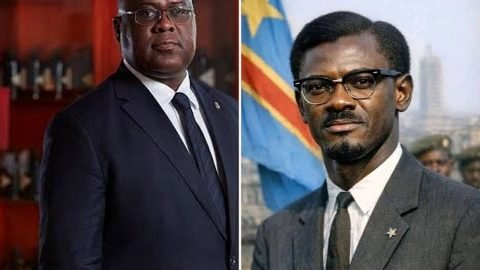
The DRC threw its full weight behind the fight. It put forward its own candidate, Juliana Amato Lumumba, daughter of the independence hero. And it issued a warning: if Louise Mushikiwabo were reappointed, the DRC would walk out of the organisation. Several sources confirmed this on the eve of the summit. It was no idle threat.
On November 14, as the ministerial conference closed, Kinshasa played its trump card. The DRC withdrew Juliana Lumumba's candidacy and threw its support behind Romania's Dacian Cioloș, a former Romanian prime minister. The message couldn't have been clearer: the DRC wasn't fighting for a job; it was fighting against a third Rwandan term. Kinshasa called on Rwanda to do the same and withdraw its candidate. Kigali refused. That same day, Olivier Nduhungirehe insisted that no country could demand the Rwandan candidate's withdrawal.
Two days later, that candidate's third term was off the table.
Without the DRC, the Francophonie loses its legitimacy
Let's be realistic about the balance of power. Between losing the DRC and losing Rwanda, the Francophonie has infinitely more to lose if the DRC walks.
The DRC is the most populous country in the French-speaking world. According to the OIF's own figures, it has 57.3 million French speakers, making it the world's second-largest French-speaking country after France. Kinshasa is the biggest French-speaking city on the planet. The future of the French language will be decided in Africa, and first and foremost in Congo.
Rwanda, for its part, switched to English as its language of instruction and joined the Commonwealth in 2009. French remains an official language, but the country turned its back on it long ago. Phnom Penh provided the perfect illustration: at the summit of the French-speaking world, Paul Kagame addressed the room in English. Go figure.
Without the DRC, the Francophonie loses much of its clout in Africa, its claim to represent the French-speaking world and its legitimacy. The heads of state in the room understood that. From the opening session, Emmanuel Macron called for "unity" and "consensus". Translation: whatever happens, don't lose Africa's largest French-speaking nation. The Phnom Penh compromise is the Francophonie choosing to keep the DRC.
A term is four years. A transition is twelve months.
A lot of people are getting this muddled, some of them deliberately. Let's set the record straight.
A Francophonie secretary general serves a four-year term. Had Louise Mushikiwabo been reappointed, she would have stayed on for four more years, until the end of 2030. That isn't what happened.
What she got is a twelve-month transition, with no renewal of her mandate and a remit limited to reforming the selection process. Congolese foreign minister Thérèse Kayikwamba Wagner put it bluntly: her departure in twelve months is non-negotiable. The summit's closing statement itself confirms that Louise Mushikiwabo will step down at the end of the transition.
Four years versus twelve months. A mandate versus a transition. Power versus a scheduled exit. A secretary general who knows she's on her way out no longer carries the same authority. For the next year, she'll be minding the shop at an organisation that has already moved on.
And after the transition, no Rwandan candidate
This is the part the hot takes keep missing. Under the compromise announced by Kinshasa, and confirmed by sources close to the talks cited by AFP, Rwanda will not field a candidate in the next election.
In other words, Kigali can't slip back in through the side door a year from now with a different name to keep its grip on the Francophonie. That's a major concession, and it was the DRC that won it. After nearly nine years under Rwandan leadership, the OIF is changing hands.
So who won?
In diplomacy, you have to know what you were fighting against. The DRC was fighting a third four-year term for Louise Mushikiwabo. Let's tally it up.
Did she get a third term? No. Four more years? No. Can she run again after the transition? No. Can Rwanda field another candidate? No, under the compromise announced.
Stopping your opponent from getting what it wanted is a win. Kigali wanted four years. Kigali got its notice.
Anyone talking about a Congolese defeat needs to answer one simple question: what did Rwanda win? When one side loses, the other side gains something. Rwanda hoped to keep the top job at the OIF until 2030. It didn't get it. So what defeat are we talking about?
Kigali's fury says it all
If Rwanda had won, it would be celebrating. It isn't. It's lashing out.
As soon as the summit ended, Paul Kagame complained of "petty and unprincipled" disagreements within the Francophonie. His foreign minister, Olivier Nduhungirehe, went further: on RFI, he accused France of leaning on African countries; in Le Point, he declared that "the OIF is not Françafrique". Kigali is taking aim at Paris, at the organisation, at fellow African nations. That's not how winners talk. That's a sore loser looking for someone to blame.
In Kinshasa, MP Léonard She Okitundu, a former foreign minister, hailed the effectiveness of Congolese soft power against Rwanda. The government welcomed the compromise and said the DRC would keep playing an active part in the OIF's work. Minister Kayikwamba Wagner was clear: the DRC has every interest in staying in the Francophonie to shape its reform. The country that threatened to walk out is staying, and it's Rwanda that is losing the top job.
The clock is on the DRC's side
Twelve months is a formality. And the landscape will look very different by then. Emmanuel Macron, who backed Louise Mushikiwabo's election in 2018, is barred from running again and will leave the Élysée in spring 2027, before the next secretary general is chosen. The political backing that put Kigali in charge of the OIF will be gone.
The bottom line
The DRC's diplomatic fight goes on. This win mustn't make us complacent. The DRC must use every diplomatic tool at its disposal to call out Rwanda's aggression, rally its partners and defend its sovereignty in every major international body. We can no longer go to summits just to show up. We have to go to fight for Congo and come home with results.
Phnom Penh proved it: when the DRC throws its full weight behind something, it changes the game. Let our enemies be in no doubt: Congo will take on the Kigali regime wherever it gets the chance. At the UN, at the African Union, in Washington, and at the Francophonie.
Timeline
- Oct. 2018: Louise Mushikiwabo elected in Yerevan; takes office in January 2019. 2022: reappointed in Djerba.
- Jan. 12, 2026: Kigali announces her bid for a third term.
- July 28-29, 2026: the African Union shortlists three African candidates, including Congo's Juliana Amato Lumumba.
- Nov. 2026: the DRC threatens to leave the OIF if a third term goes ahead.
- Nov. 14, 2026: the DRC withdraws Juliana Lumumba and backs Romania's Dacian Cioloș; Kigali refuses to withdraw its candidate.
- Nov. 15-16, 2026: 20th Francophonie Summit in Phnom Penh.
- Nov. 16, 2026: vote postponed by twelve months; no new term for Louise Mushikiwabo.
- 57.3 million: French speakers in the DRC according to the OIF, the world's second-largest French-speaking country.
Sources. Radar 243 video, Nov. 17, 2026; ACP, the DRC welcomes the compromise, Nov. 16, 2026; ACP, no new term for Rwanda; Actualite.cd, "departure non-negotiable"; Le360 Afrique (AFP), vote postponed; KT Press, Juliana Lumumba withdrawn, Dacian Cioloș backed; The New Times, Kigali refuses to withdraw its candidate; DH (AFP), the threat to leave the OIF; DH (AFP), Macron calls for consensus; AllAfrica / The New Times, Kagame and the "petty disagreements"; AllAfrica (RFI), Kigali blames France; ACP, She Okitundu on Congolese soft power; AllAfrica (RFI), Mushikiwabo's candidacy, Jan. 13, 2026; APA News, the DRC weighs leaving the OIF.