

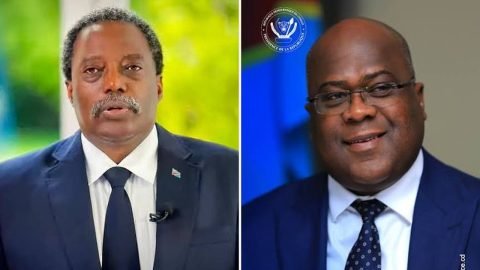

Kinshasa · September 30, 2026
Digital edition
Inform. Decode. Defend the nation.
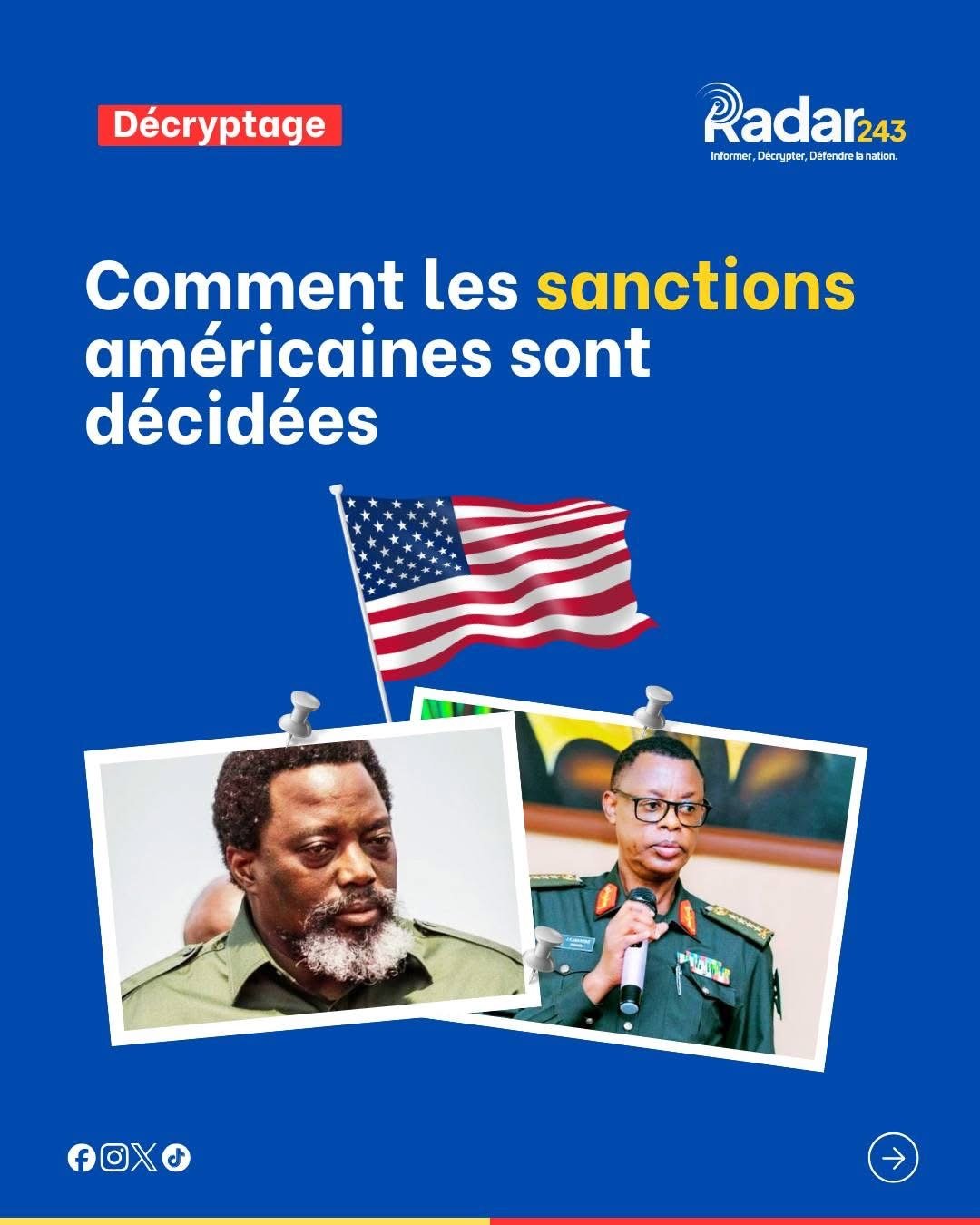
Washington blacklists Joseph Kabila: inside the case against a former president
On April 30, 2026, Washington played hardball: the United States formally sanctioned former Congolese president Joseph Kabange Kabila. He now sits on the Treasury's Office of Foreign Assets Control (OFAC) blacklist, under the sanctions programme tied to the war in eastern Democratic Republic of the Congo. Behind the decision lies a damning case file: Washington says Joseph Kabila bankrolled the AFC and

Sanctions landing on a country already bleeding
In January 2025, the M23 seized Goma. Within weeks, Bukavu fell too.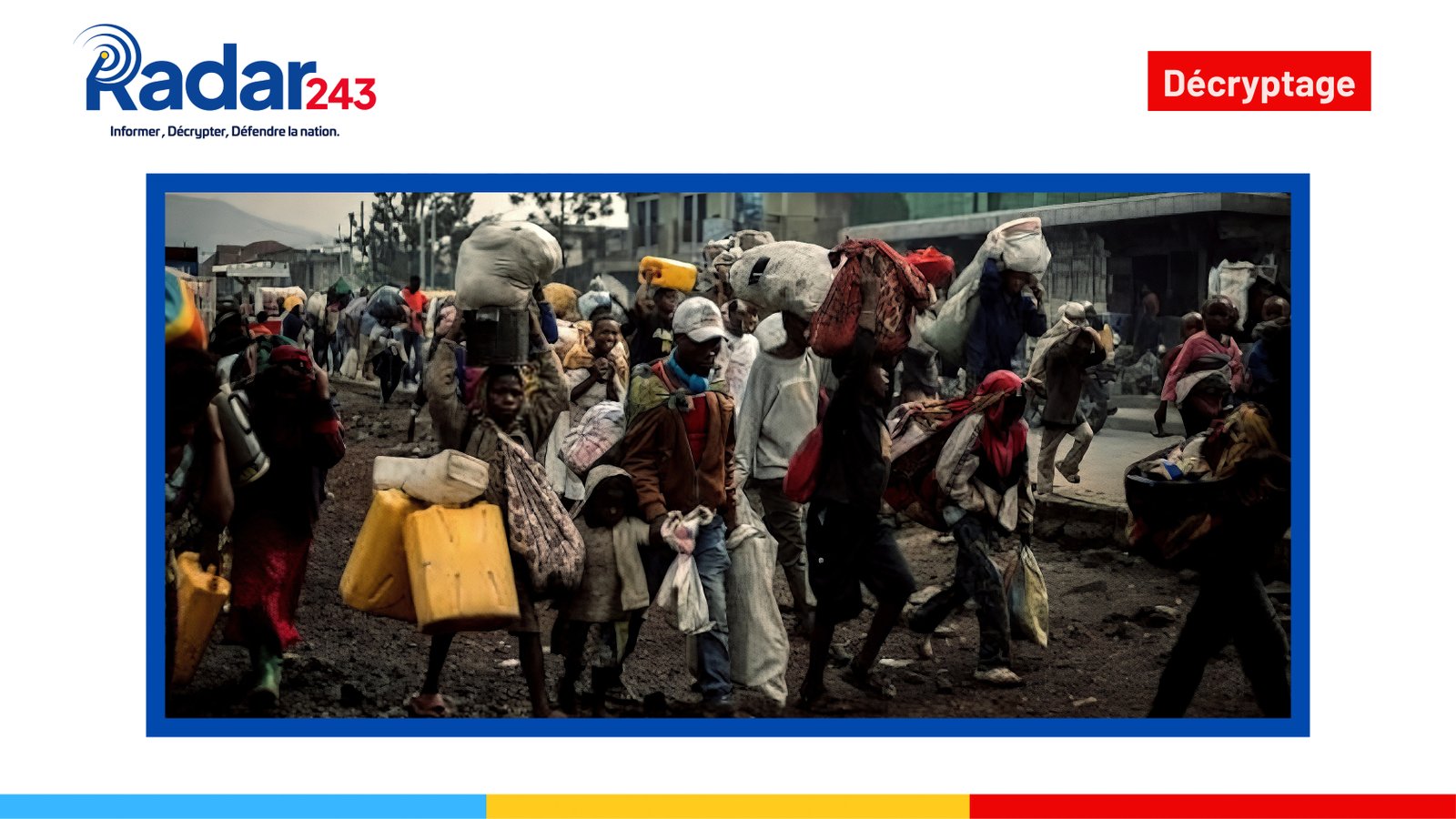
Enter Kabila
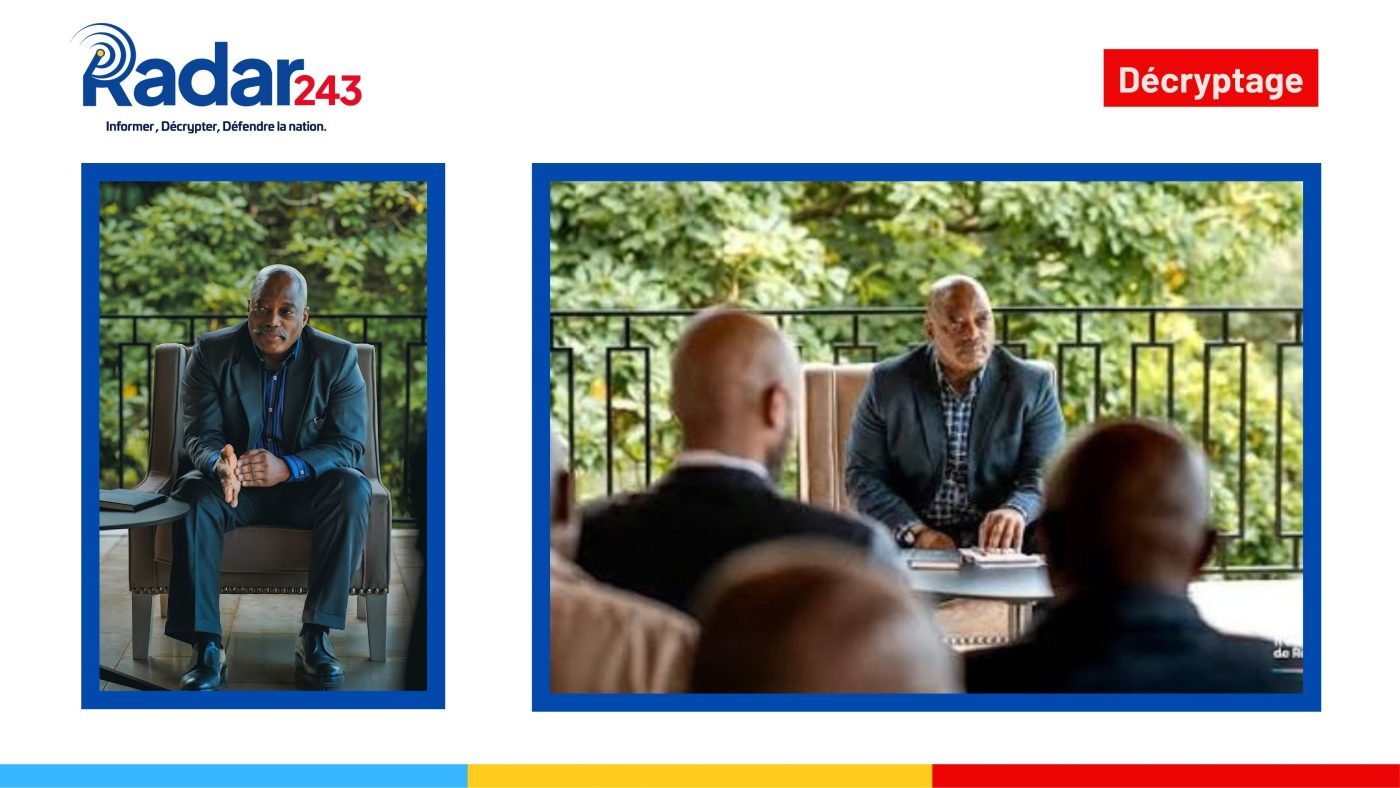
Joseph Kabila ruled the Democratic Republic of the Congo from 2001 to 2019. In 2025, he turned up in Goma, then under M23 control. According to the US Treasury, he lived there under the rebels' protection.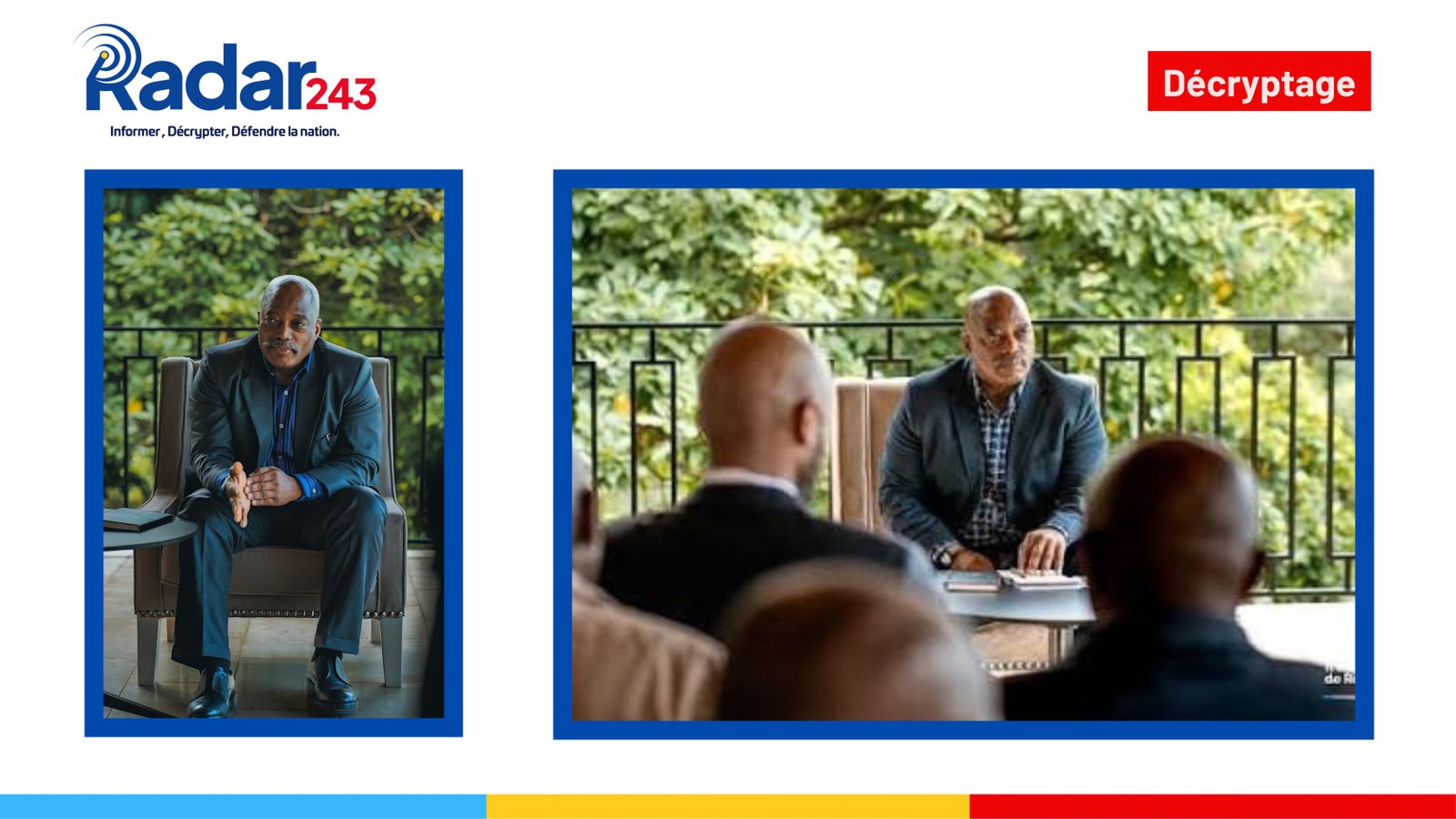
M23 and AFC: two names, one war
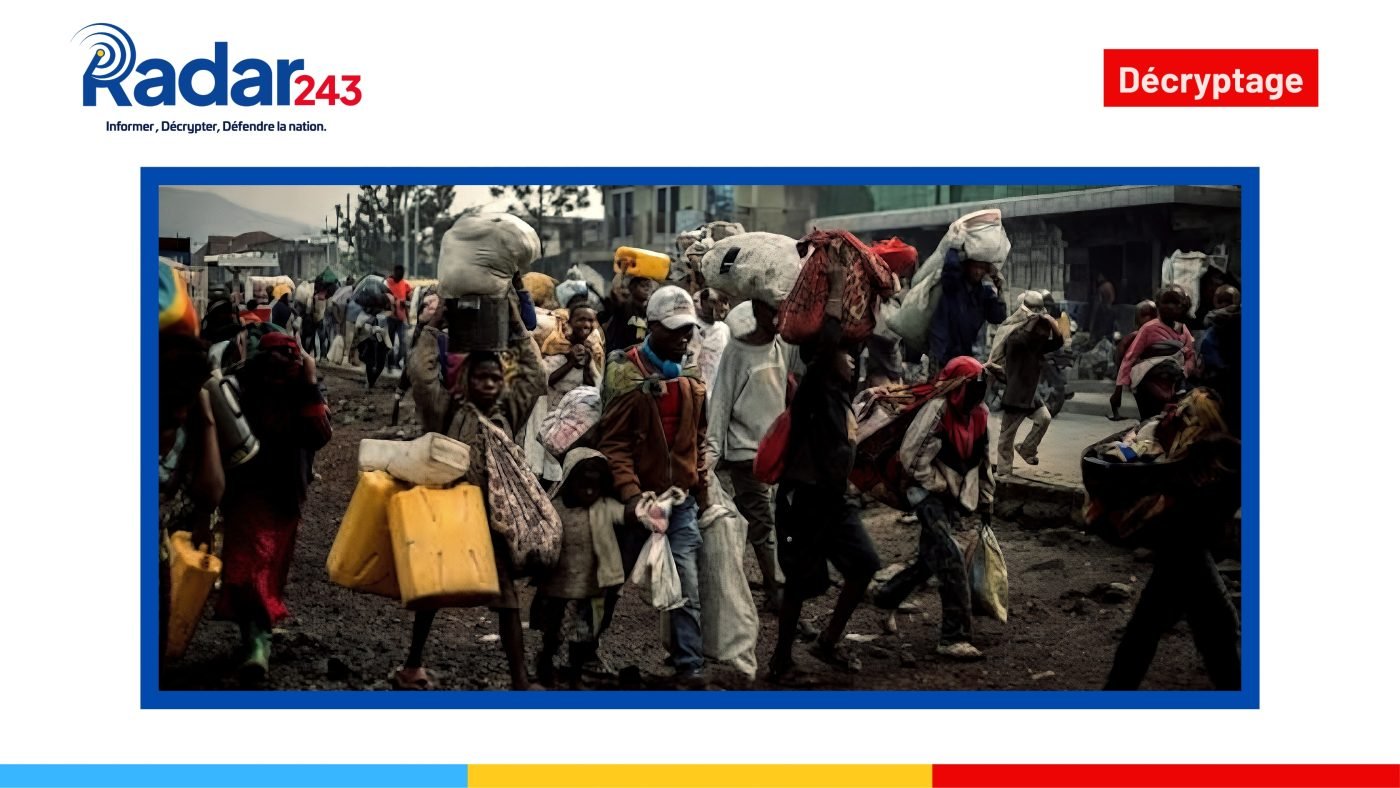
The AFC, or Alliance Fleuve Congo, is a politico-military coalition under US sanctions. The Treasury describes it as a coalition whose armed wing is the M23 and whose aim is to topple the government of the DRC. The M23 itself is sanctioned by both the United States and the United Nations. Its offensive has turned the east of the country upside down. Goma. Bukavu. Whole territories. Two provincial capitals fell to the movement in 2025. According to the US Treasury, the M23's campaigns have killed thousands of civilians and set off a massive displacement crisis.This is not a political squabble
The US case places Joseph Kabila squarely in the context of an armed conflict. According to the Treasury, his financial backing for the AFC and his work on the movement's behalf were part of an effort to destabilise the Congolese government and win back political influence over the country. This is not just a former president's name cropping up in a US press release. It is a former head of state formally designated by Washington under its sanctions programme for the war in eastern DRC.Why now?
Follow the money
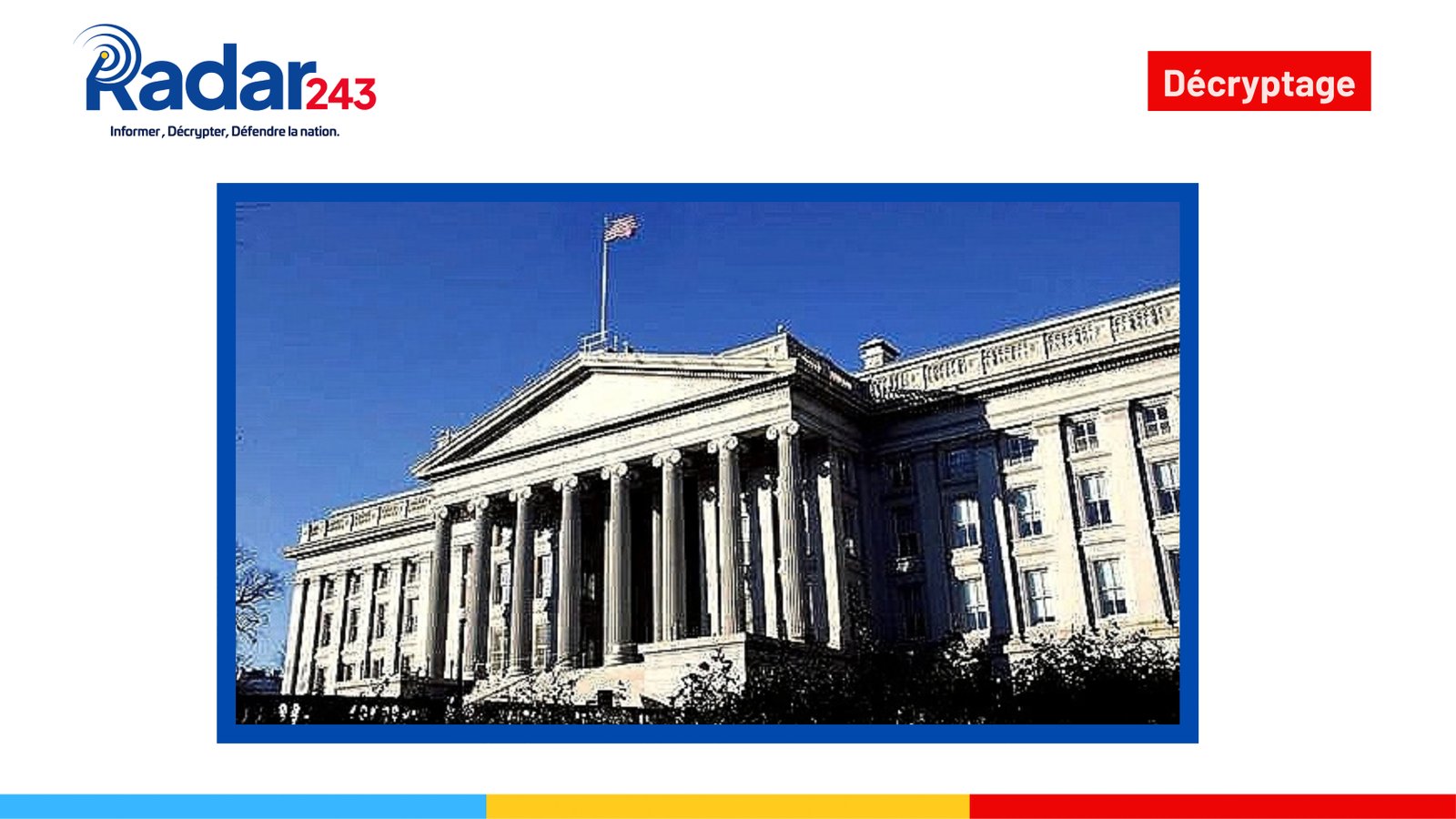
Landing on the OFAC list is no mere formality. Any property or interests in property belonging to a designated person that are in the United States, or held or controlled by US persons, are frozen and must be reported to OFAC. Companies owned 50 percent or more, directly or indirectly, by one or more blocked persons can be caught as well. Put simply: Washington hasn't just named and shamed. It has gone after the money.More than a slap on the wrist
OFAC enforces a US legal sanctions regime that allows it, among other things, to freeze assets and bar transactions with designated persons. In Joseph Kabila's case, OFAC formally added him to its Specially Designated Nationals (SDN) list on April 30, 2026, and tied him to the M23 and the AFC. The Treasury says the designation rests on Executive Order 13413, as amended by Executive Order 13671, for having materially assisted, sponsored or provided financial, material or technological support to the M23 and the AFC.The question Congolese are left with
There is one reality no diplomatic statement can paper over. For years, eastern DRC has paid the price of armed conflict. Goma, Bukavu and many other areas have borne the brunt of M23 offensives. Thousands of civilians have been killed and entire communities driven from their homes. Now that Washington has sanctioned Joseph Kabila for backing the AFC and the M23, one question sits at the heart of the case: who is helping the people waging war on Congo? And above all: who will be held to account when their choices help drag out a war that is destroying Congolese lives?What Washington has done
On April 30, 2026, the United States formally added Joseph Kabange Kabila to its sanctions list. Washington says the former president bankrolled the AFC, encouraged Congolese soldiers to defect to it and sought to regain political leverage over the Congolese government. The M23, at the centre of this affair, controls large parts of North and South Kivu, and its offensive has killed thousands of civilians and triggered a massive displacement crisis. The US sanctions won't bring back the dead. They won't give displaced families their homes back. They won't rebuild Goma. But they do put Joseph Kabila, on the record, inside the US sanctions regime for the war in eastern Democratic Republic of the Congo. And for a former Congolese head of state, that is a heavy mark to carry. Washington has turned a political and military dossier into a financial sanctions case.Sources
U.S. Department of the Treasury — April 30, 2026 Treasury Sanctions Former Democratic Republic of the Congo President for Ties to Armed Conflict U.S. Department of the Treasury / OFAC — April 30, 2026 Democratic Republic of the Congo-related Designation U.S. Department of the Treasury — June 2, 2026 Treasury Sanctions Rebel Commanders Driving Conflict in the Democratic Republic of the Congo
1 / 3