

Azarias Ruberwa's Indianapolis speech: a fact check
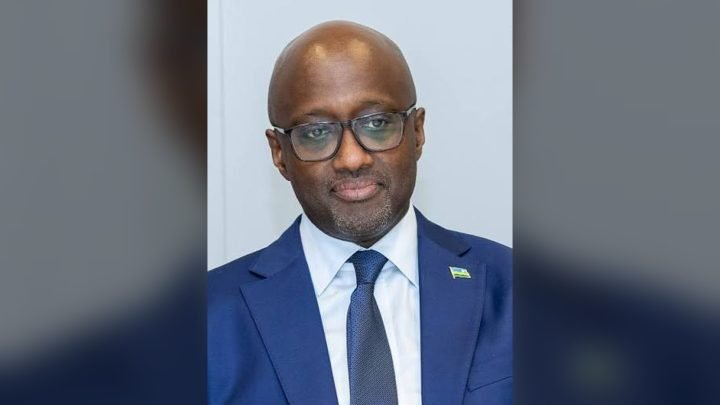
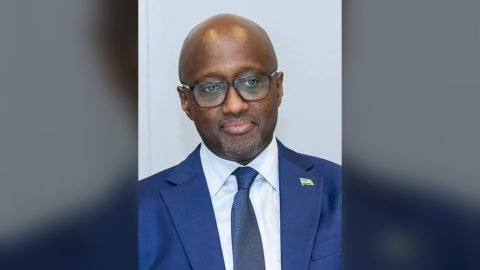
On October 3, 2026, at a Congolese diaspora prayer gathering in Indianapolis, Azarias Ruberwa accused Congo's army of teaming up with armed groups to wipe out the Banyamulenge, and held up Joseph Kabila's record against Félix Tshisekedi's. Former secretary general of a Rwanda-backed rebellion, former vice-president, lawyer, preacher: his words carry weight. All the more reason to hold them up to the facts. Five claims, five reality checks.
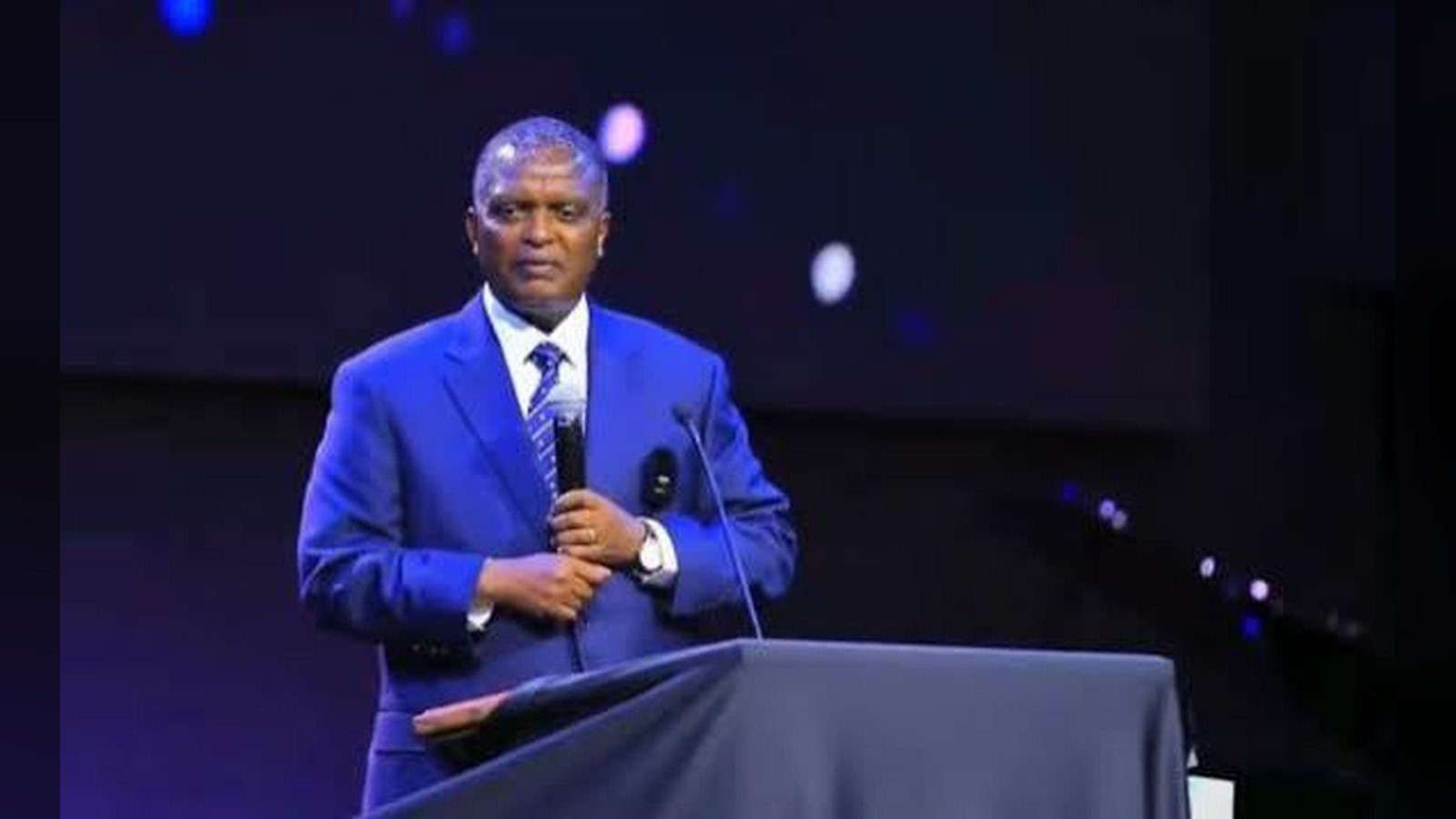

Who is Azarias Ruberwa?
To understand a speech, you need to know who is giving it. A lawyer by training, Azarias Ruberwa became secretary general in 2000 of the RCD-Goma, the rebellion created, armed and bankrolled by Rwanda during the second Congo war (1998-2003). That war killed millions of Congolese. He took over as its president in 2003.
The Sun City agreement rewarded him handsomely: he became vice-president of the Republic in the "1+4" transitional government (2003-2006), with responsibility for, of all things, defence and security. He ran for president in 2006, then served as minister of decentralisation under Joseph Kabila and in the early years of Félix Tshisekedi's presidency. He is himself a Munyamulenge.
A man who led a Kigali-backed rebellion, was recycled into the top tier of government through a peace deal, and now flies in from the United States to accuse Congo's army: that's the résumé. Congolese have every right to remember it.
1. "The army wants to wipe out the Banyamulenge": no evidence
There is no graver charge you can level at an army than seeking to destroy a community. It is the language of genocide. It is not something you say lightly, let alone from a stage abroad, before a diaspora that will amplify it across every social network.
If crimes have been committed against Banyamulenge civilians, by anyone at all, they must be documented, prosecuted and punished. No Congolese should be killed for who they are. But claiming that the FARDC is waging a campaign of extermination demands proof. Which independent report? Which UN investigation? Which court? Mr Ruberwa cites none.
What is documented is the presence, alongside the M23/RDF in the Minembwe highlands, of the Twirwaneho militia. Mr Ruberwa himself admitted as much in August 2026: Twirwaneho "had had to move closer to the M23". His words, not ours.
So let's ask the question he dodges. When Congo's army launches an offensive in Minembwe, what is it going after? A community? Or an armed coalition, allied with the M23/RDF, backed by a foreign army and dug in on national territory? Blurring the two turns a legitimate military operation against armed groups into "ethnic persecution". That is exactly the narrative Kigali needs to justify its presence.
2. The Banyamulenge are Congolese: so why let Kigali speak for them?
Let's be clear, once and for all. The Banyamulenge are Congolese, and have lived in the South Kivu highlands for generations. The Constitution and the 2004 nationality law guarantee it. The President of the Republic has said so publicly. Radar 243 says so without hesitation.
That is precisely why Mr Ruberwa owes us an answer. Why won't he condemn Rwandan leaders who claim to speak for Congolese citizens and to "protect" them with their army, without the Congolese state's consent? When a foreign country appoints itself the protector of part of another country's population, there's a word for it: interference. And it is always the prelude to occupation.
Some Banyamulenge have shown that courage. On August 17, 2026, in Kinshasa, a declaration from the Banyamulenge community disowned Kigali, rejected any call to insurrection and reaffirmed its place in the Congolese nation. Members of his own community said it openly. Why won't he?
Protecting Congolese citizens is the job of the Congolese army, Congolese institutions and Congolese courts. Not Kigali's.
3. "Thirty-two years": the timeline gives it away
Mr Ruberwa says the problem goes back 32 years. Do the maths: 2026 minus 32 is 1994. The year of the genocide against the Tutsi in Rwanda.
Then came the influx of refugees into Zaire, and in 1996 the Rwandan military intervention and the first Congo war, during which the Banyamulenge cause was held up to justify the invasion. In 1998 came the second war, with the RCD, once again in the name of protecting the Banyamulenge. Mr Ruberwa would go on to become its secretary general. Then the CNDP in 2006, the M23 in 2012, and the M23/RDF today. Always the same argument. Always the same sponsor.
The question of Banyamulenge citizenship predates 1994: the debate goes back to the 1970s and 1980s. But the timeline Mr Ruberwa himself chose, those thirty-two years, lines up exactly with three decades of Rwandan intervention in Congo. It wasn't the Congolese state that started something in 1994. It was Kigali that started waving this community like a flag.
4. Swahili speakers: who are we really talking about?
Mr Ruberwa claims Swahili speakers are marginalised in the DRC. The isolated attacks reported in Kinshasa after Goma fell are unacceptable. They were condemned, and those responsible must be punished.
But "marginalised" is simply untrue. Swahili speakers hold every kind of position in the state, the army, the civil service and the economy. They sit in government and in Parliament, and they run public and private companies. Swahili is one of the country's four national languages.
Above all, the Swahili speakers who are suffering most are those in the east. For thirty years they have been displaced, robbed, raped and killed in a war whose perpetrators the UN has documented: the M23/RDF and its allies, alongside the Rwandan army. The people of Goma, Bukavu, Rutshuru, Masisi and Uvira speak Swahili. They are the ones the M23/RDF is attacking. Why does Mr Ruberwa never name their attackers?
5. A story that changes with the seasons
Yesterday, it was the Banyamulenge under threat. Then the FDLR. Today, it's marginalised Swahili speakers. The pretext keeps changing; the conclusion never does: the Congolese state is to blame, and those who take up arms against it have their reasons.
In Indianapolis, Mr Ruberwa went further. He praised Joseph Kabila, who, he said, had acted to protect the Banyamulenge, while Félix Tshisekedi had supposedly ignored his fifteen appeals. Nine days later, on October 12, 2026, that same Joseph Kabila took command of the M23/RDF.
The calendar says it all. October 3: a tribute to Kabila before the diaspora. October 12: Kabila at the head of the rebellion. What's the next story going to be?
The bottom line
Any proven discrimination must be condemned and punished. But when a former rebel leader stands up abroad and accuses his own country's army of trying to destroy a community, without a shred of evidence, he isn't defending that community. He's putting it in danger, and doing the aggressor's work for it.
A Congolese who speaks Swahili is Congolese. A Congolese who speaks Lingala is Congolese. A Munyamulenge is Congolese. Our diversity will never be turned into a weapon against us. Congolese listen, think and ask questions. And they stand together.
Timeline
- 1994: genocide against the Tutsi in Rwanda; refugees pour into Zaire.
- 1996: first Congo war. 1998: second war; the RCD is created.
- 2000: Ruberwa becomes secretary general of the RCD-Goma. 2003-2006: vice-president in charge of defence.
- 2004: Congolese nationality law.
- Aug. 2026: Ruberwa acknowledges Twirwaneho's rapprochement with the M23.
- Aug. 17, 2026: the Banyamulenge community disowns Kigali in Kinshasa.
- Oct. 3, 2026: the Indianapolis speech, praising Joseph Kabila.
- Oct. 12, 2026: Joseph Kabila takes command of the M23/RDF.
Sources. KT Press, the Indianapolis speech of October 3; Actualite.cd, Ruberwa on Twirwaneho and Minembwe; AllAfrica, the Banyamulenge community disowns Kigali; IRIN, Ruberwa takes over the RCD-Goma, 2003; Infos.cd, attacks on Swahili speakers.